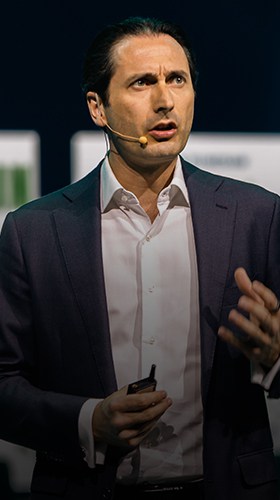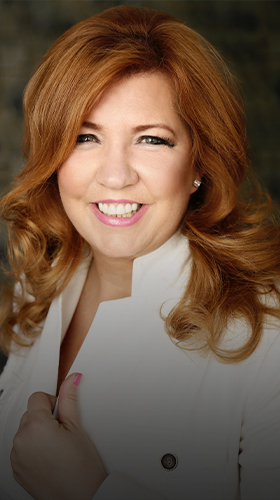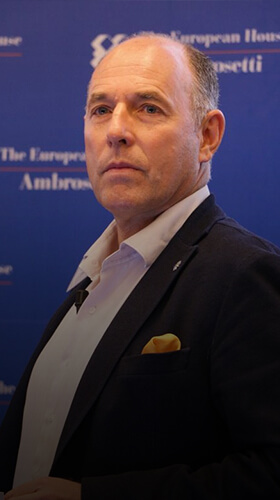
From big data to Gen Z, from new technological models to new consumer trends, Speaker Agency Future of Work Speakers share insights and strategies to help you better understand changing landscape of work.
New
New
Future of work speakers in the UK start at £5,000 for corporate-topic bookings, with most engagements falling between £5,000 and £25,000 depending on speaker profile, format, and audience size. Top-tier speakers reach £50,000, and celebrity-adjacent names run 2–3 times that figure. A keynote and a workshop facilitation day are priced differently even for the same speaker. For a full breakdown by tier and format, see the guide on how much a keynote speaker costs in the UK.
For first-choice speakers, 3–6 months is the standard lead time — particularly during the UK conference peak of September through November, when availability at the £10,000–£25,000 tier tightens fastest. Briefs arriving inside 6 weeks are handled through the wider 1,190+ global network, which preserves quality but reduces the options for specific speaker profiles. If your event date is fixed, earlier is always the better position.
A futurist speaker maps macro-trends across technology, society and geopolitics — often projecting decades ahead. A future of work speaker is grounded in the decisions organisations need to make now: how to restructure roles around AI capability, how to arrest a disengagement crisis, how to adapt leadership models to a hybrid workforce. The best future of work speakers draw on foresight thinking but anchor it in operational and strategic reality your teams can act on.
Yes, though the two formats are distinct commissions. A keynote runs 45–60 minutes and is designed to shift perspective across a large audience in a single session. A workshop runs 2–4 hours and is designed to produce decisions or frameworks within a smaller group, typically 15–40 people. Not every strong keynote speaker also facilitates workshops effectively — confirm the format before shortlisting, as the skills involved differ meaningfully.
The pre-event briefing typically happens 2–3 weeks before the event and covers five areas: the audience's sector and seniority mix, the organisational context (restructure, post-merger, growth phase), the specific outcome the event owner wants the audience to leave with, any sensitivities such as ongoing redundancy programmes, and the event's wider agenda. A brief that takes 30 minutes to prepare will materially sharpen a 60-minute session.
AI and workforce redesign is the highest-volume sub-topic within future of work briefs arriving at Speaker Agency. Speakers in this cluster range from technology practitioners who have deployed AI at organisational scale to workforce economists who model displacement and reskilling trajectories across sectors. If AI is the primary focus rather than a sub-angle of a broader workforce session, consider also briefing from the artificial intelligence speakers roster for greater technical depth.
A future of work speaker addresses the structural and cultural forces reshaping organisations — AI task displacement, hybrid models, the skills economy, generational workforce shifts. A leadership speaker addresses how individuals and teams lead effectively within those conditions. The two are complementary rather than interchangeable, and many organisations co-commission both for the same event or programme. If leadership capability is the primary brief, the leadership speakers roster is the more precise starting point.