

 After Dinner Speakers

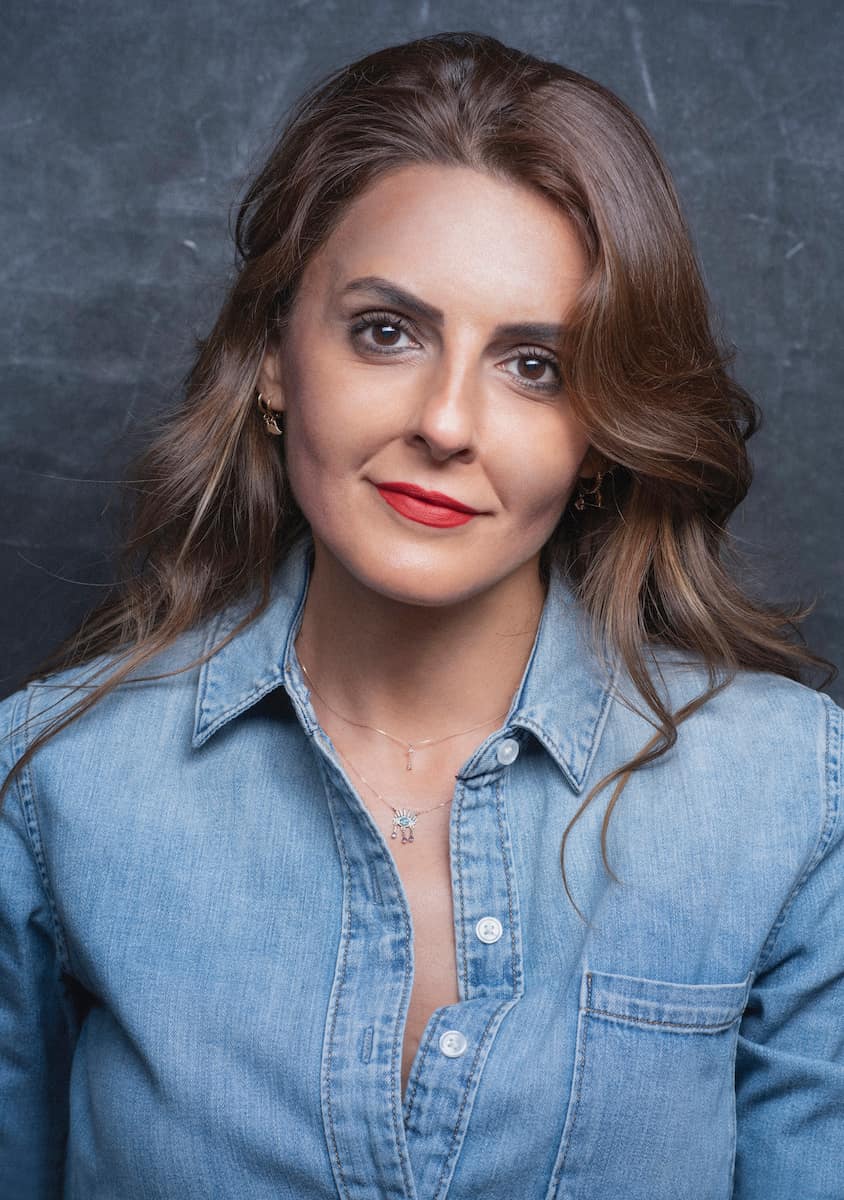
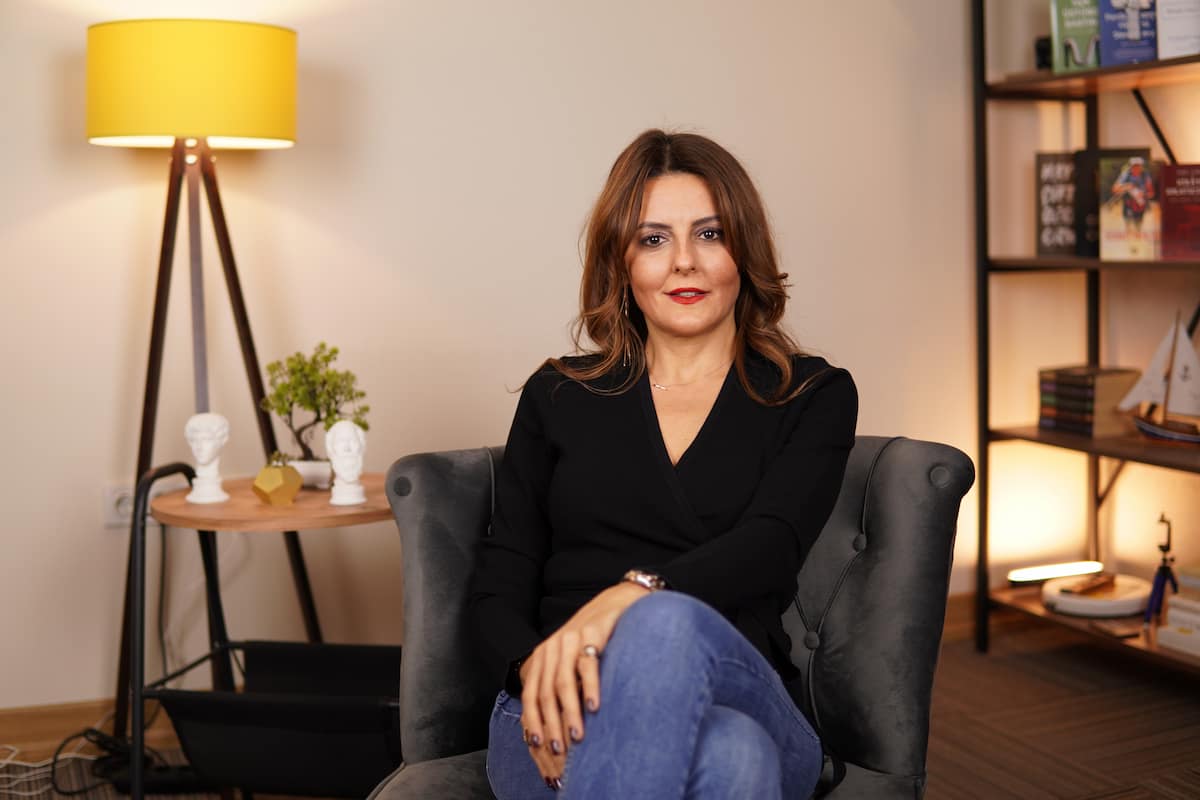
 Evrim Kuran Consulting, Founder Universum, Türkiye Leader




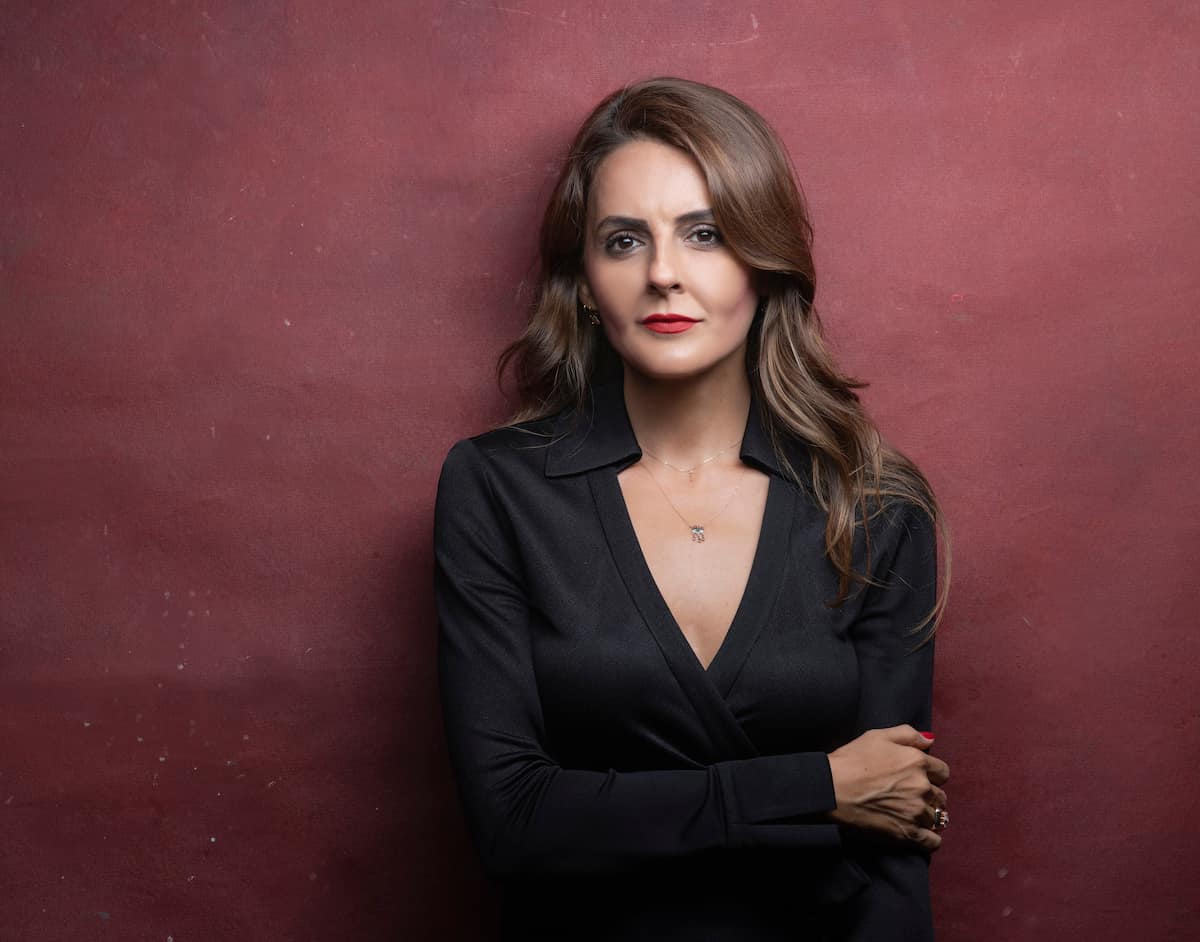
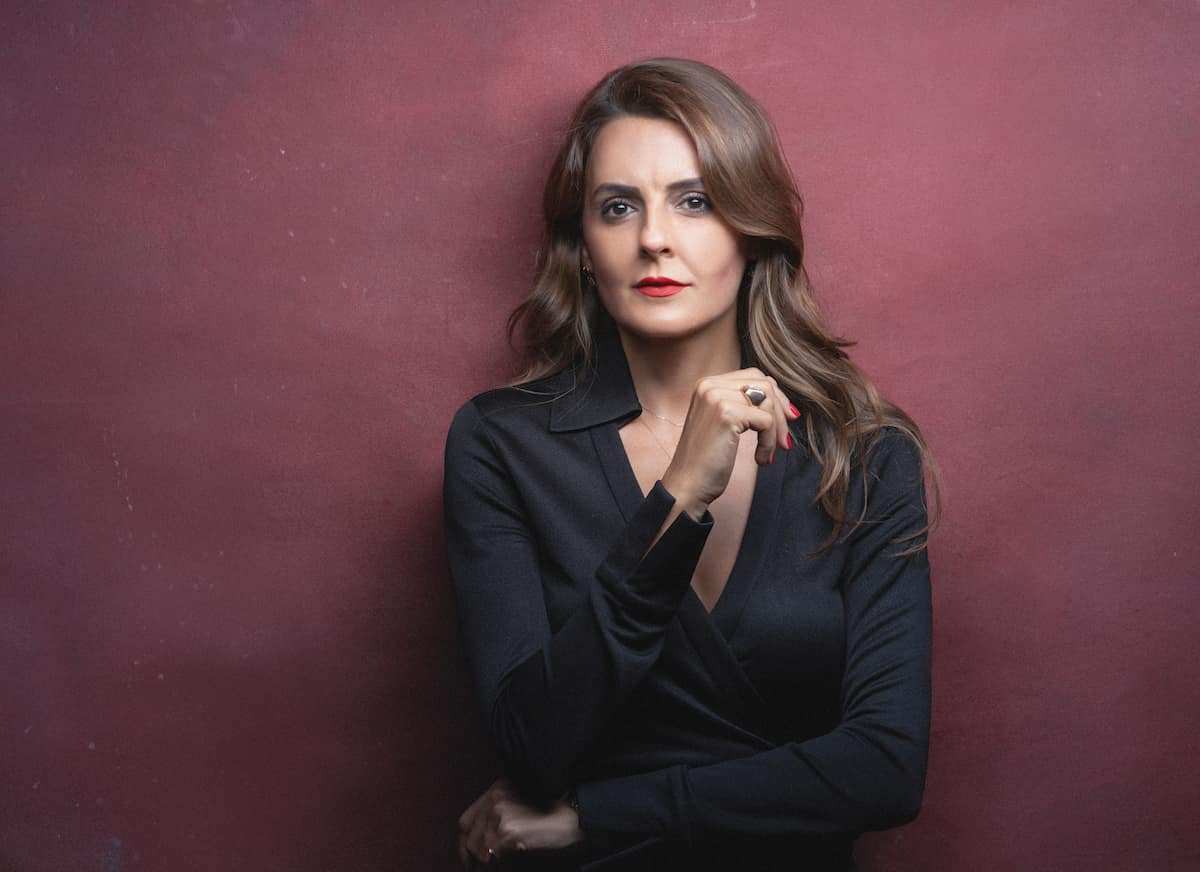








Understanding a Changing World: New Leadership, New Culture, New Paradigm
In this talk, Evrim Kuran invites her audience to rethink leadership, loyalty, and commitment in a world shaped by technological transformation, global crises, and intergenerational expectations. Leadership is no longer confined to establishing authority; it has become a journey grounded in human values. Loyalty, in turn, is no longer rooted in hierarchy, but in a shared sense of purpose and common values.
Within this new paradigm, success is measured not merely by financial performance or hierarchical expansion, but by how agile an organization can be—and how authentically individuals are able to remain themselves within that system.
In her speech, Evrim Kuran positions the leaders of the future not as controllers, but as conductors who harmonize the potential of different generations and as architects of meaning. She offers comprehensive insights into the evolving nature of leadership and organizational culture.
Employer Branding
An effective employer branding management is possible through the seamless alignment between the promise communicated externally and the reality experienced internally. In this session, Evrim Kuran focuses on what is needed to build an employer brand architecture that is aligned with the organization’s strategic direction as well as with the expectations of candidates and employees.
While sharing the expectations that different generations have from organizations and leaders, Evrim Kuran also opens for discussion the impact of the fundamentals of employee experience—such as respect for people, an inspiring purpose, and DEI—on these expectations. She also underlines that a sustainable employer brand management cannot rest solely on the initiative of the Human Resources department.
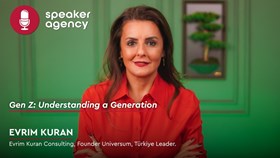
Gen Z: Understanding A Generation
Generation Z is not only a demographic category, but also a field of transformation representing digital natives, rapidly changing value systems, and new priorities. Understanding this generation, which constitutes a significant part of Türkiye’s population, requires accurately interpreting their ways of thinking, life preferences, and work expectations. In this program, Evrim Kuran examines how Generation Z experiences the world, the motivational codes that drive them, and how they want to build relationships with organizations, in light of research.
In her talk, while questioning Generation Z’s expectations from organizations and whether the business world is ready for this transformation, Evrim Kuran shares perspectives needed to adapt to the future of work. The program is positioned as a guide for organizations that want to strengthen intergenerational interaction and better understand the reality of new generations.
Organizational Culture
In her speech, Evrim Kuran approaches organizational culture not merely as a structure of written values, but as a living system that directly shapes an organization’s decision-making reflexes, employee experience, and ways of doing business. She addresses through which behavioral patterns culture is strengthened and highlights the importance of corporate values in the sustainability of organizational culture.
Drawing attention to the strong link between culture and leadership behaviors, Evrim Kuran also explains how the various expectations across generations are reflected in organizational culture, the impact of psychological safety and a sense of belonging on performance, and why cultural transformation is not solely an HR project but a strategic leadership matter.
New Generations and The New World of Learning
In this program, Evrim Kuran examines the coming together of different generations in learning environments, from the Baby Boomers to Generation Z, and analyzes the dynamics of this multi-generational structure. While addressing how teaching and learning generations adapt to different learning habits, she discusses how being a lifelong learner can become a strategic advantage in the face of talent shortage in the 21st century.
The approaches demanded by new generations, rather than conventional education models, include new learning paradigms such as collaborative, micro, and intuitive learning. Through the “flipped learning” model that replaces traditional education, audience gains a new perspective for both individual and organizational development.
Diversity, Equity and Inclusion
In today’s business world, Diversity, Equity, and Inclusion (DEI) is not only a part of human resources policies but also a strategic transformation area that shapes the future of organizations. These three concepts should be approached as a responsibility that goes beyond representation and instead fosters a sense of belonging and psychological safety.
In her speech, Evrim Kuran addresses what is needed to create an inclusive work environment where employees with different backgrounds can bring their authentic selves to the workplace and express themselves freely. For a more just and equitable work climate, she invites the audience to become aware of tools for combating various forms of discrimination and to recognize their own unconscious biases.
High Tech High Touch
We may be standing at perhaps the most fragile threshold in the history of technology. Artificial intelligence, automation, and algorithms are transforming not only the way we work, but also our decision-making processes, our understanding of creativity, and even our definition of “being human.” In this new era, the real question is: Will high technology replace humanity, or will it expand human capacity?
In the “High Tech, High Touch” speech, Evrim Kuran questions the competitive narrative that positions artificial intelligence as a replacement for humans. She argues that technology should be positioned alongside humans, working together with human intuition, ethical reasoning, and capacity to create meaning. She emphasizes that what will determine the future of organizations is not only digital competence, but also high human capacity (high touch). This talk presents a future perspective that does not center technology, but instead repositions technology by placing humans at the center.
Super Woman Myth
Successful, strong, flawless… These attributes often appear to be forms of praise when attributed to women; however, they carry a heavy burden of expectation behind them. In this sense, the “Super Woman” myth is an invisible performance standard reinforced by corporate and social codes. This standard makes it difficult for women to internalize their achievements and deepens impostor phenomenon through the constant pressure to do more.
In her speech, Evrim Kuran questions this pressure of perfectionism, invisible labor, and the obligation to “always remain strong.” She emphasizes that true strength does not lie in being able to do everything, but in being able to accept vulnerability and seek support. Because sometimes the most transformative sentence is: I cannot be able to do everything.
Gender Equality
In today’s world, discussions on gender equality require going beyond visible representation and also questioning psychological barriers, power relations, and invisible cultural codes. In her speech, Evrim Kuran approaches gender equality as a field of systemic transformation rather than individual effort, supported by research from Türkiye and around the world.
In this meeting, Evrim Kuran addresses the impostor phenomenon, the psychological barriers that make it difficult for women to internalize their achievements, and how cultural narratives such as the Cinderella Complex shape women’s perceptions of career and self-confidence. She also questions institutional and social norms through invisible forms of discrimination that begin in language, such as mansplaining, benevolent sexism, and other subtle forms of bias.
At the same time, she emphasizes the critical role of male allyship in advancing gender equality and underlines that achieving equality is a shared responsibility in building a more just, more inclusive, and more sustainable society.