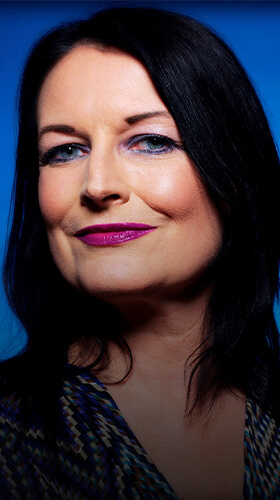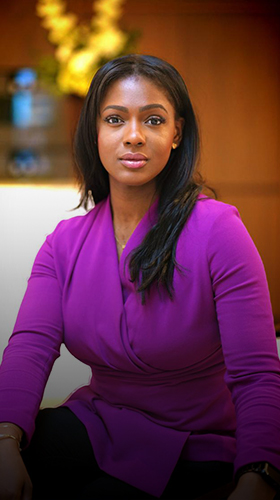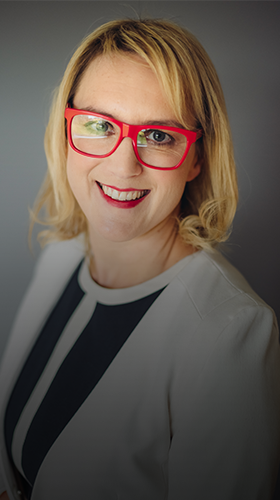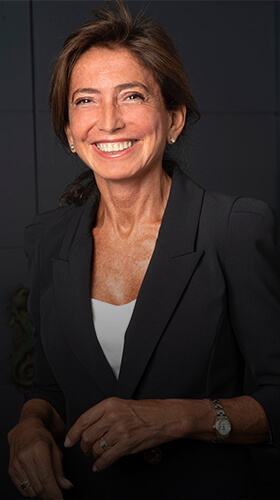
Speaker Agency Gender & Equality speakers will guide you on your journey to transforming your workplace into a truly inclusive one, teaching you how to attract and look after the right talent & put in place triggers to empower your teams to reach their full potential.
New
Fee floors start at £5,000 for corporate events, with high-profile advocates and internationally recognised authors typically ranging from £8,000 to £25,000. Top-tier engagements reach £50,000, and celebrity speakers command 2–3× that figure. Emerging voices with an advocacy focus may be available closer to the floor. For a full breakdown of what drives fee differences across experience levels and formats, see the keynote speaker cost guide.
International Women's Day on 8 March is the single highest-demand window on the gender equality calendar — UK roster availability tightens sharply from mid-February. For well-known speakers, booking in October or November of the preceding year is the safest approach; January is the practical minimum. Outside the IWD window, 3 to 6 months is standard. For requirements arising with fewer than 6 weeks' notice, the 1,190+ global network widens the available pool considerably.
A keynote speaker delivers a 45 to 60 minute session built to shift perspective or frame the commercial and structural case — single voice, any audience size, high concentration of impact. A workshop facilitator leads a 2 to 4 hour interactive session aimed at producing specific outputs: a revised hiring framework, an allyship action plan, a revised pay equity methodology. The two formats draw on different skills and should not be treated as interchangeable when briefing.
Sector calibration is standard practice, not an optional extra. The most effective bookings include a structured pre-event briefing 2 to 3 weeks before the session, covering the organisation's current gender data, the audience's existing knowledge level, and the outcome required. Speakers such as Adelina Chalmers — who specialises in STEM-to-executive leadership transitions — and Chani Simms, whose work sits at the intersection of gender and cybersecurity, are already sector-embedded, which reduces calibration time significantly.
Yes, virtual and hybrid delivery are available across the roster. Remote sessions include pre-session technical setup and a rehearsal run as standard inclusions, not optional extras. Content is typically restructured for distributed audiences — shorter segments and built-in interaction points — to preserve the same catalyst impact that an in-room session delivers. Hybrid formats, where part of the audience attends in person and part remotely, are supported and require explicit briefing on stage setup and audience management.
A standard booking covers: pre-event briefing with the speaker, content customisation to your audience profile and session format, delivery of the keynote or workshop, and a post-event debrief with the event organiser. Optional additions include signed copies of the speaker's publications, a post-event Q&A document prepared for internal distribution, follow-on panel appearances at the same event, and advisory sessions for teams or leadership cohorts who want to extend the work beyond the session itself.
Sceptic readiness is an explicit criterion in the selection process. Speakers are briefed on audience composition and the likely challenge profile before they step into the room. Evidence-led speakers like Caroline Criado Perez are specifically equipped for audiences who will test every commercial data point; sector-specialists such as Adelina Chalmers understand the technical vocabulary and structural constraints their audiences work inside daily. Speakers whose primary mode is personal advocacy, without an evidence base, are not placed in front of rooms that require proof.