


 After Dinner Speakers
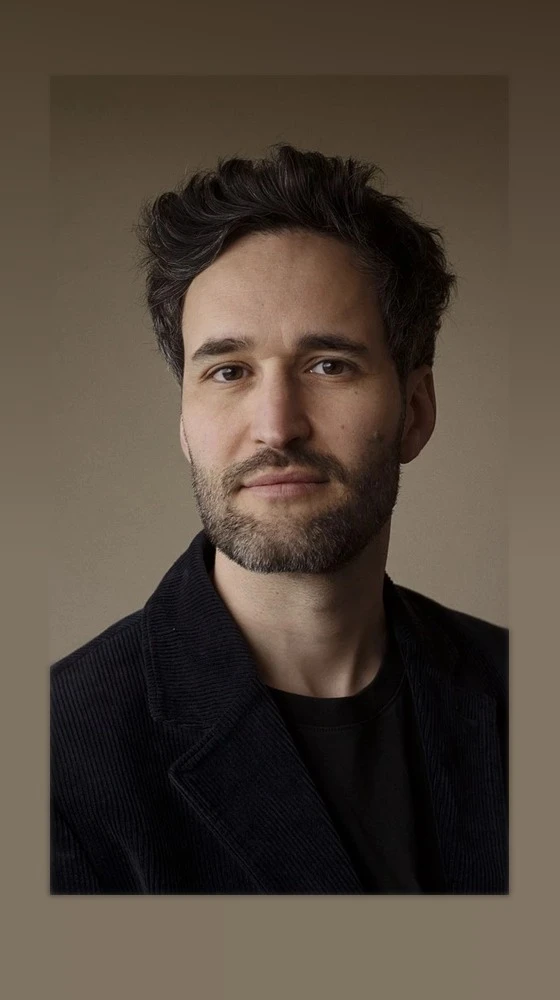
 Economist, Bestselling Author & Expert on AI and the Future of Work










We live at an extraordinary technological moment. Every day, it seems, we hear about machines taking on tasks that we thought only human beings alone would ever do: making medical diagnoses and composing jokes, drafting legal arguments and designing beautiful buildings, writing lines of code and even forming relationships. The leaders of the largest AI companies now claim that, within a few years, we will build an AI that can outperform us at every task that we do. This talk is an optimistic and hopeful guide for anyone thinking about how to flourish in this age of astonishing labor market shifts, drawing on Daniel Susskind’s new book, What Should My Children Do? How to Flourish in the Age of AI.
How AI will drive growth in the 21st century
There are few things that business leaders, politicians, and policymakers agree upon, but one of them is that we need more growth. Far too many countries and companies have struggled through the current decade. In this talk, Daniel Susskind explains how artificial intelligence could accelerate growth. During the 20th century, growth came from providing human beings with ever more education: first basic schooling and then, later, colleges, universities, and professional training. Success depended on our willingness to invest in our people. The century ahead will be different. New ideas will come less from humans and more from increasingly capable technologies. Whether countries and companies flourish or fade in this future will depend on their willingness to invest in these new technologies and the people and institutions behind them. And in this visionary, pragmatic, and optimistic talk, Susskind shows us the way.
The Growth Dilemma
Economic growth is responsible for almost all our greatest triumphs. It has freed billions from poverty, made our lives far healthier and longer, and brought an end to ignorance through better education around the world. But our pursuit of growth has also come at an enormous price — climate change, inequality, technological disruption. These costs are now far too large to ignore. In this talk, Daniel Susskind argues that we cannot abandon economic growth, but must redirect it, making it better reflect what we truly value. It is a revelatory account of the past, present, and future of growth – and how we must rethink it.
The Future of Work in the Age of AI
Every day we hear of advances in AI, with new systems — from ChatGPT to DALL-E — taking on activities that, until recently, we thought only human beings alone could ever do: writing effective code and drafting compelling documents, designing beautiful buildings, and diagnosing medical illnesses. What does all this progress mean for the future of work? It is one of the greatest questions of our time. And in this optimistic and pragmatic talk, Daniel Susskind explores what lies ahead, drawing on his best-selling books, 'The Future of the Professions' and 'A World Without Work.'
The Future of Work
New technologies have always provoked panic about workers being replaced by machines. In the past, such fears have been misplaced, and many economists maintain that they remain so today. Yet Daniel Susskind explains why this time really is different. Advances in artificial intelligence mean that all kinds of jobs are increasingly at risk. So how can we all thrive in the future? Susskind reminds us that technological progress could bring about unprecedented prosperity, solving one of mankind's oldest problems: making sure that everyone has enough to live on. The challenge will be to distribute this prosperity fairly, constrain the burgeoning power of Big Tech, and provide meaning in a world where work is no longer the centre of our lives. In this pragmatic and optimistic talk, Daniel Susskind shows us the way.
The Future of the Professions
This talk explores two futures for the professions. Both of these rest upon technology. Traditionally, many people have imagined that only blue-collar workers are challenged by automation; yet white collar-workers are now within reach as well. In the future, we will neither need nor want professionals — lawyers, doctors, accountants, teachers, architects, the clergy, consultants, and many others — to work as they did in the 20th century. In this pragmatic and optimistic talk, Daniel Susskind explains why, and sets out how leaders in the professions can prepare to flourish in the decades to come.
The Future of Healthcare
In this talk, Daniel Susskind explores two futures for healthcare, drawing on his best-selling books, The Future of the Professions (2015; 2022) and A World Without Work (2020). Both of these futures rest upon technology. The first future is a reassuringly familiar one – it is simply a more efficient version of what we have today. But the second future is very different – here, new technologies actively displace traditional healthcare professionals from their work. In the future, the profession will look remarkably different from today, and we will neither need nor want doctors and nurses — or lawyers, teachers, architects, accountants, engineers, consultants, and many other professionals — to work as they did in the 20th century. In this pragmatic and optimistic talk, Susskind explains why, and sets out how the healthcare profession can prepare to flourish in decades to come.
The Future of AI
Over the last few years, there has been a great deal of excitement about ‘artificial intelligence’ (AI). But at times, it is hard to distinguish between genuine advances, and the hype and exaggeration that often accompanies the technology. This talk explores the history and the future of AI, identifying the changes that really have taken place in the field, and explaining why they matter so much for thinking about the future of work. In decades to come, AI is going to continue to take activities that, in the past, we thought only human beings alone could ever do. Understanding why, and exploring the consequences, is a critically important task.
Myths about the Future of Work
Over the last few years there has been a frenzy of writing and discussion about technology and the future of work. But the ideas are so sprawling and contradictory it can often seem like we know even less than before all this analysis began. This talk is a response to this uncertainty and confusion: it explores the different myths that have emerged about the future of work, clears up the mistaken thinking that currently clouds our vision of what lies ahead, and explains how we can prepare for challenging but exciting decades to come.