Transformation happens at the intersection of knowledge and action. The demand for Female Motivational Speakers UK has matured well beyond the annual IWD calendar — organisations are booking these speakers as part of measurable culture-change programmes, leadership pipeline initiatives, and boardroom accountability frameworks that have real commercial stakes.
Seven women on our UK roster who speak to corporate audiences
The women we work with most often across UK corporate audiences, from resilience and leadership to AI, engineering, health and cyber security. Each name links to their full profile, fees guidance and availability.
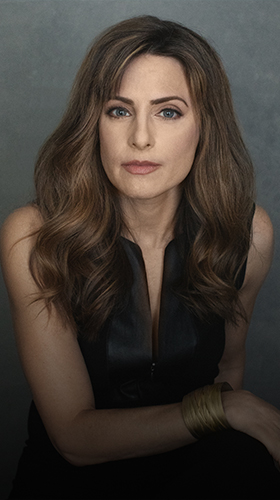
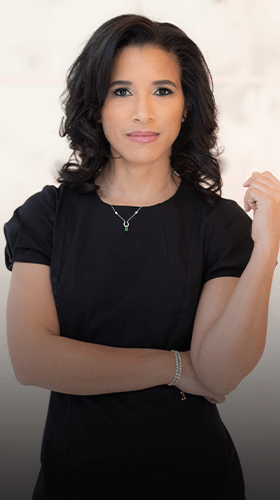
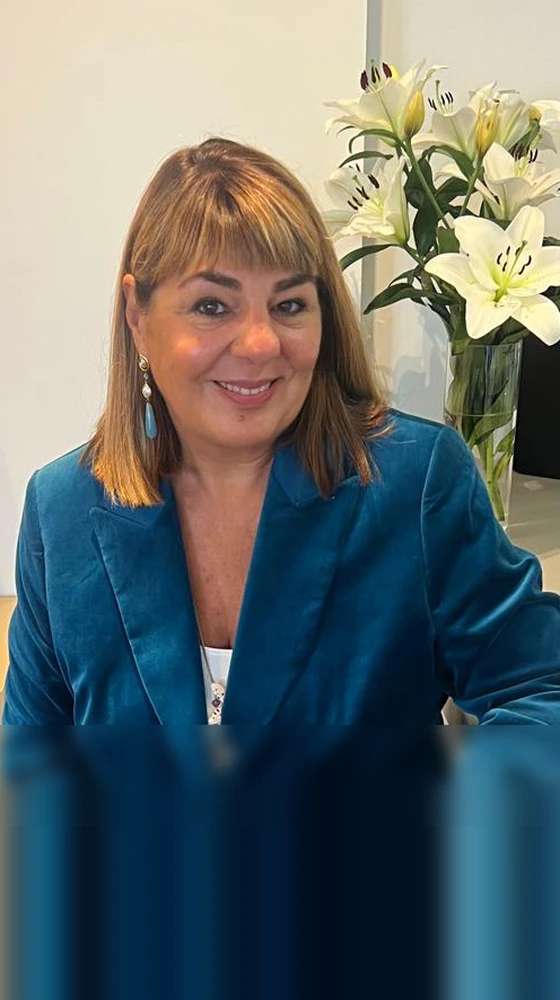
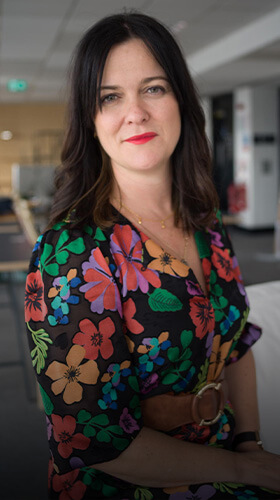
- Dr Liz O'Riordan — surgeon, author and conference host. Talks include Resilience and Reinvention and Communication and Psychological Safety.
- Cassie Kozyrkov — CEO of Kozyr and Google's former Chief Decision Scientist. Talks include The Leader's Survival Guide for the AI Era and AI Adoption: From Buzzwords to Business Strategy.
- Dr Ally Jaffee — multi-award-winning NHS doctor and mental health advocate. Talks include Doctor's Mental Health and The Importance of Human Connection.
- Ella Podmore MBE — IET Young Woman Engineer of the Year and McLaren materials engineer. Talks include The Future Is STEM and Fail Fast, Learn Quicker!.
- Dr Megan Rossi — gut health researcher and Sunday Times bestselling author. Talks include Transform Your Gut, Transform Your Life and Age-proof Your Gut to Future-proof Your Health.
- Dr Jessica Barker — author of Confident Cyber Security. Talks include Why Culture is Key to Cyber Security and How a Hack Works: Demonstrating a Phishing Attack.
- Kirsty Hulse — CEO of Neuroworx and founder of Roar Training. Talks include Practical Optimism and How to Move from AI Anxiety to AI Curiosity.
Women held 42.1% of FTSE 350 board positions in 2024, exceeding the voluntary target for the first time — yet only 34.5% of senior leadership roles across the FTSE 350 are held by women, and that pipeline gap is precisely what forward-thinking organisations are programming against.
The audiences arriving at these events expect speakers who have operated at scale, made decisions under adversarial conditions, and can speak to domain-specific challenges — not generic inspiration. Speaker Agency doesn't simply identify the right speaker; we architect the wisdom transfer that turns a keynote into a catalyst for lasting organisational change.
Why Hire a Female Motivational Speaker for Your Event
The commercial case for these bookings is structural, not seasonal — driven by regulatory scrutiny, investor expectations, and workforce accountability, not by a date in the diary.
Leadership Under Pressure asks boards and executive teams to reckon with something panel commentary cannot deliver: the credibility of a speaker who has led through documented adversity, where failure had real consequences. FTSE 100 nominations committees and investor-facing leadership teams distinguish quickly between a speaker whose story is built on demonstrated performance and one whose profile is built on observation. The organisations booking for high-stakes leadership audiences need the former — practitioners whose resilience narratives are tested against evidence, not assembled from motivational frameworks.
Inclusion as Competitive Advantage has shifted from a values argument to a performance argument — and that shift matters for how you brief a speaker. According to McKinsey's Women in the Workplace 2024, for every 100 men promoted from entry level to manager, only 81 women make the same step — the broken rung that compounds across every level above it.
Companies with gender-diverse leadership are 39% more likely to outperform financially. That data point now appears in investor communications and analyst reports, which means this is a business-case booking, not a welfare booking, and the speaker who can land that argument for a senior audience is doing work that a policy presentation cannot.
Sector-Specific Resilience is the filter that separates a memorable event from a forgettable one. Conference buyers in STEM, financial services, cybersecurity, and healthcare require speakers whose resilience narratives are grounded in their domain — an exploration record, a C-suite technology career, or a clinical background that the audience recognises as legitimately hard. Generic motivation has low impact with expert audiences; domain-grounded expertise earns the room before the speaker has finished their second sentence.
The FTSE Women Leaders Review 2024 captures the tension precisely: the 42.1% board figure shows what concentrated effort can achieve; the 34.5% senior leadership pipeline figure shows what still hasn't moved. The speaker who can hold both truths — and show an audience what to do about the gap — is the one worth booking.
What Sets a Great Female Motivational Speaker Apart
The difference between a speaker who shifts something in the room and one who fills a slot on the programme is rarely about stage presence — it is about what the speaker has actually done before they arrived.
Have they operated at genuine stakes?
Bonita Norris became the youngest person to summit Everest and reach the North Pole — having never climbed before the age of twenty. That record is specific, documented, and extreme — which means the frameworks she draws from are tested against conditions where error had serious consequence, not assembled in the abstract. For leadership audiences who have navigated their own version of high-stakes decision-making, that credibility is immediate.
Can they hold a room of sceptics?
Cassie Kozyrkov — former Chief Decision Scientist at Google, now CEO of Kozyr — commands the same stages as any top-tier technology speaker because her authority in AI and decision science is grounded in the practitioner record, not the commentary circuit. C-suite audiences and engineering teams will probe a speaker's claims; Kozyrkov has built systems at scale and can answer the questions that a strategist without that background cannot. That is the difference between a keynote that opens a conversation and one that closes it.
Does their expertise travel across the room?
The domain-specificity test is this: a speaker whose story is rooted in polar exploration, elite sport, or emergency medicine brings a perspective break that reframes how a business audience sees its own challenges. A speaker whose expertise is in financial services, AI, or health systems can go deeper with a sector audience — answering the follow-up questions that arise when the room knows the territory. Neither profile is superior; the right choice depends on what the audience needs to leave believing or doing differently.
The selection process, done well, is an act of wisdom architecture — matching the precise knowledge and credibility of the speaker to the exact readiness and scepticism of the audience. That is not speaker recommendation; it is strategic wisdom transfer, and it is the only version of this work that compounds.
When Should You Book a Female Motivational Speaker
These are the commissioning moments where a female motivational speaker delivers the clearest, most measurable impact.
International Women's Day events — Peak single-month demand; IWD-themed conferences, panel days, and internal employee events across all sectors. See our Women's Day speakers page for curated shortlists by theme and format.
Leadership development programmes — Senior women's leadership cohorts, Women in Leadership accelerators, and internal succession pipeline events in financial services, FTSE 100, and public sector.
All-company conferences and annual kick-offs — Where the plenary speaker must represent the full workforce; programme directors actively balance gender representation on the main stage.
STEM diversity events — Women in Engineering Day, Girls into STEM summits, corporate STEM pipeline initiatives, and schools-sector outreach where an expert role model carries more weight than a policy statement.
Executive strategy retreats — C-suite offsites where a speaker from exploration, sport, or medicine provides a perspective break from internal strategy sessions; browse the broader motivational speakers roster for context on how this category sits within the wider field.
Employee Resource Group (ERG) events — Women's Network keynotes, Wellbeing Week anchors, and gender-intersection programming; high-volume and often repeat-booking.
Industry sector conferences — FinTech women's summits, legal gender equity days, healthcare women's leadership forums — sub-sector expertise must match the audience's working context, or the session loses credibility before the Q&A.
These use cases are not mutually exclusive — an annual kick-off with a culture-change agenda often carries three or four of these patterns simultaneously.
How to Choose the Right Female Motivational Speaker
The speakers on this roster are domain experts first — women whose primary expertise is AI, cybersecurity, health, sport, or entrepreneurship. The selection process should start there.
Domain expertise match — Does the speaker's primary field align with what the audience most needs challenged or confirmed? A technology expert speaking to a FinTech leadership team will face different credibility tests than a polar explorer opening a company-wide conference. Both work; both require different briefs. Generic motivation has low impact with specialist audiences; domain-grounded expertise earns the room.
Practitioner versus commentator — Has the speaker made decisions at real stakes, or observed and reported on others who have? Senior leadership and board audiences make this distinction quickly and are rarely forgiving when they realise the difference mid-keynote.
Format match — A 45–60 minute keynote delivers perspective shift; a 2–4 hour workshop drives behavioural change in smaller cohorts. These are not interchangeable formats. A speaker who is exceptional in one may not be the right profile for the other — confirm the format before you confirm the name.
Audience seniority and sceptic readiness — A C-suite audience will probe credentials and push back on claims; an ERG audience will prioritise personal resonance and actionable frameworks. Both are valid commissioning contexts, but they require different speaker profiles and different briefing conversations.
Fee range and budget alignment — Female motivational speakers on the UK roster start from £5,000, with senior and headline speakers reaching £25,000–£50,000. For a full breakdown of what drives pricing across formats and seniority levels, see keynote speaker fees in the UK.
Time horizon and follow-through — Is this a single keynote or the opening session of a longer leadership programme? Speakers with workshop and coaching capacity can sustain momentum well beyond the first session — and that distinction is worth establishing at the point of brief, not six months later.
How Speaker Agency Helps You Find the Right Match
The work begins before any speaker name is proposed — and it continues after the event confirmation.
Map the wisdom gap. Before we shortlist, we identify what the audience needs to leave believing, doing, or questioning differently — whether that is shifting a leadership team's assumptions about the pipeline beneath them, or equipping an ERG audience with a transformation blueprint they can act on the following Monday.
Curate the elite voices. From a 300+ UK roster and a 1,190+ global network, we shortlist within 24 hours — filtering not by gender tag but by domain expertise, audience seniority, and the specific catalyst moment the event requires.
Architect the catalyst moment. We work with the event team and the speaker to align brief, format, and audience context — so the session lands as a turning point rather than a scheduled agenda item, and the knowledge delivered is the knowledge the audience was ready to receive.
Sustain the momentum. The keynote is the ignition, not the destination; we advise on post-event resources, follow-on sessions, and leadership programme integration so the wisdom transfer compounds beyond the day.
Speaker Agency's role in this is wisdom architecture, not speaker supply. As a Wisdom Catalyst operating across the UK, Europe, and Türkiye, our advisory relationship with your team begins at brief stage and continues well past the standing ovation — because the organisations that extract the most value from these events treat the speaker selection as a strategic decision, not a procurement task.
Featured female motivational speakers at Speaker Agency
Eight female motivational speakers from the Speaker Agency UK roster, with their current focus. Fees, availability and formats are confirmed on request; the typical planning window is six to eight weeks.
- Alexandra Adams: The UK's First Deafblind Doctor, TEDx Speaker, Author. Exclusively represented by Speaker Agency. Alexandra Adams is a disability advocate, certified keynote speaker, and final-year medical student on track to become the UK’s first deafblind doctor in 2026.
- Dr Liz O'Riordan: Speaker, Author, Storyteller, Conference Host. Exclusively represented by Speaker Agency. Liz O’Riordan is an international speaker, best-selling author and podcaster.
- Judith Malika Liberman: Storyteller, Art Therapist, Author, Speaker. Exclusively represented by Speaker Agency.
- Ella Podmore MBE: IET Young Woman Engineer of the Year 2020, McKinsey NGWL 2022, Surrey 40 Under 40 Winner. Exclusively represented by Speaker Agency. Supercar Scientist, Young Motivator With a background in material science and engineering Ella has gone on to become an advocate for women in the science and engineering space.
- Emma Vardy: Award-winning BBC Correspondent and Presenter, Event MC, Moderator, Keynote and Motivational Speaker. Emma Vardy is an award winning BBC Correspondent and Presenter, with fifteen years experience reporting and presenting for flagship TV and radio programmes.
- Dr. Hannah Fry: Professor of Mathematics, Science Presenter, All Around Badass. Hannah Fry is a Professor in the Mathematics of Cities at the Centre for Advanced Spatial Analysis at UCL where she studies patterns in human behaviour .
- Dr Jessica Barker: Cyber Security Expert, Best Selling Author of "Confident Cyber Security", Keynote Speaker, Media Commentator. Dr Jessica Barker: Leader in the human side of cyber security Dr Jessica Barker is a best-selling author and international keynote speaker.An award-winning leader in the human side of cyber security, she has delivered face-to-face awareness sessions to over 5
- Sadie Clayton: Creator, Educator & Innovator: Artist Specialising in Copper, Art & Culture TV Appearances & An Advocate for Diversity and Inclusivity. Sadie Clayton is a sculptor exploring the dynamic boundaries between art, spirituality and technology.
The full list is on this page; for a shortlist matched to your brief, contact the UK team.







 After Dinner Speakers

 Discover Similar Topics