Transformation happens at the intersection of knowledge and action. The Culture Speakers UK event planners are booking in 2026 are not there to deliver motivational theory — they are there to close the gap between the culture an organisation has and the culture it needs to perform.
Gallup's State of the Global Workplace: 2025 Report puts the cost of employee disengagement at $8.9 trillion annually — 9% of global GDP — with cultural misalignment as the primary driver. That figure has moved culture from an HR agenda item to a boardroom imperative, accelerated by post-pandemic hybrid fragmentation, wave after wave of M&A activity, and the generational shift reshaping workforce expectations.
The brief is no longer "we'd like someone to talk about values." It is: our organisation is at an inflection point and we need the room to leave differently. Speaker Agency maps your cultural gap, curates the voice most likely to close it, and architects the wisdom transfer that turns a cultural diagnosis into organisational momentum.
Why Hire a Culture Speaker for Your Event
Culture became a strategic performance variable long before anyone called it that. The question facing senior leaders now is whether culture is something their organisation designs — or something it inherits by default.
Culture as competitive advantage is no longer a proposition you need to sell to a CFO. Gallup's State of the Global Workplace: 2025 Report puts the annual cost of disengagement at $8.9 trillion globally, with cultural misalignment as the primary driver — and finds that managers account for 70% of the variance in team engagement. That is a talent and productivity risk sitting directly on the P&L. The organisations outperforming their sectors are not doing so despite investing in culture; they are doing so because of it.
Leadership as culture architect is the harder argument — and the more urgent one. In hybrid and geographically dispersed organisations, culture does not sustain itself. Senior leaders who assume the founding culture travels intact across distributed teams, time zones, and reporting lines are wrong. A culture speaker who has operated at scale — not consulted about it, but led through it — can show a leadership team the difference between the culture they believe they have and the culture their people are actually experiencing.
Culture in change is where the brief becomes acute. Post-merger integration, AI-driven role transformation, and Gen Z workforce entry are three simultaneous pressures, and culture is the connective tissue that determines whether a change programme holds together or fractures. A well-chosen culture speaker can turn what might otherwise feel like an abstract values conversation into a structured, actionable framework for managing identity through disruption.
For planners whose brief is more specifically rooted in day-to-day workplace dynamics rather than the broader strategic arc, workplace culture speakers represent a focused sub-category worth exploring alongside this page.
What Sets a Great Culture Speaker Apart
The selection question most event planners get wrong is asking "who is a good culture speaker?" when the more useful question is "whose lived authority will actually shift how this room thinks?"
Have they built culture at scale?
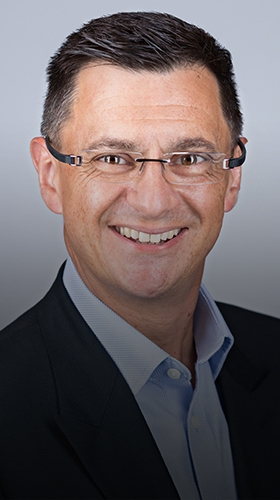
A speaker who has led 20,000 people across 60 markets — and made the hard calls about which cultural norms to preserve and which to redesign — can answer questions a consultant cannot. Chris Hirst, former Global CEO of Havas and author of No Bullsht Leadership, speaks directly to this from the operator's chair. His talk, Superpower: What culture is, why it matters and how to be brilliant at it*, is built on the accountability that comes from having owned the outcome, not theorised it.
Do they carry cross-industry credibility?
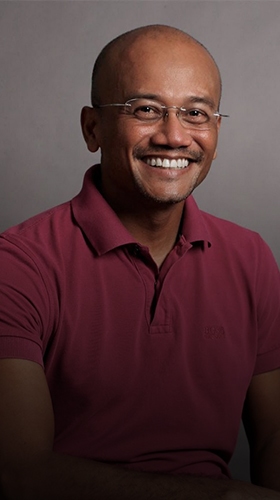
Culture as a challenge is structurally similar across sectors — even if the pressures differ. Azran Osman Rani, former CEO of AirAsia X and co-founder of a digital health start-up, carries the rare combination of high-growth leadership and entrepreneurial reinvention. His talk, Shaping an Innovative Organisational Culture and Attacker's Mindset, lands with audiences across corporate, scale-up, and public-sector contexts precisely because the underlying culture tension — incumbent thinking versus adaptive urgency — is universal.
Can they hold a room of sceptics?
Engineering functions, finance teams, and legal departments are not natural allies of a culture conversation. The speakers who earn their credibility in those rooms do it through specificity — data, decision-making context, and the kind of hard-won detail that only comes from having been accountable for the result. Generic frameworks do not survive a challenging CFO in the front row.
The strongest culture keynotes sit at the intersection of cultural leadership and D&I strategy; many of the practitioners who speak most incisively on belonging and identity also feature among our diversity and inclusion speakers. Speaker Agency functions as a wisdom partner in this selection — matching practitioner authority to your specific organisational brief, so that the voice in the room is the one most likely to create lasting knowledge capital rather than a memorable hour.
When Should You Book a Culture Speaker
Culture keynotes have a wider range of trigger moments than most event categories — from post-deal integration to generational workforce shifts.
Leadership summits and annual strategy retreats — Off-site sessions where senior teams interrogate organisational identity mid-transformation or post-restructure.
Post-merger / post-acquisition integration events — Board-mandated sessions where two distinct cultures must converge quickly; PwC's research on culture in M&A integration consistently identifies cultural fit and human capital as decisive drivers of post-deal value retention, and culture due diligence has become a board-level expectation rather than a post-close checkbox.
All-hands and town hall events — Large-scale employee engagement events with an explicit culture agenda: values refresh, new operating model, or return-to-office mandate.
HR and People Leadership conferences — CHROs and People Directors seeking evidence-based frameworks for culture measurement and deliberate culture design.
New CEO or leadership transition programmes — Incoming executives commissioning keynotes that signal the cultural direction of a new leadership era.
DEI and Belonging summits — Events where culture provides the framing device for diversity, equity, and inclusion work across multi-geography teams.
Gen Z / multigenerational workforce days — Companies carrying the tension between inherited culture and the expectations of Gen Z entrants who arrive with different assumptions about work, authority, and belonging.
M&A due diligence and integration advisory days — Deal teams and integration workstreams where culture risk has been elevated to the same board-level status as financial and legal risk.
These triggers rarely arrive in isolation — the most impactful culture briefs combine two or three at once.
Topics Our Culture Speakers Cover Most Often
"Culture" is one of the broadest topics in the speaker market — a planner with a post-merger integration brief and a planner commissioning a Gen Z workforce session are both searching the same category, but need very different voices.
Organisational culture design — Building culture deliberately rather than inheriting it; values frameworks, culture measurement, and operating-model alignment. The strategic wisdom here lies in moving from aspiration to architecture.
Leadership and culture — How leaders create, sustain, and transform culture at scale; the bi-directional relationship between leadership behaviour and organisational identity.
Culture in M&A and change — Post-merger cultural integration, AI adoption culture, and leading through structural transformation without losing organisational coherence.
Multicultural and global teams — Managing performance and belonging across national cultures, time zones, and linguistic diversity.
Gen Z and multigenerational culture — Bridging inherited workplace culture with the expectations, values, and working styles of younger cohorts entering organisations at scale.
Culture and belonging (DEI lens) — Psychological safety, inclusion as a culture design principle, and the relationship between belonging and measurable organisational performance.
If your brief maps clearly to one of these clusters, that is where we start the conversation. If it spans more than one, contact the team for a curated shortlist built to the specific brief — not a generic category search.
How to Choose the Right Culture Speaker
The right culture speaker for a post-merger leadership summit is rarely the right speaker for a Gen Z workforce engagement day. Format, audience seniority, and organisational context all determine which voice will land.
Event objective fit — Distinguish an inspirational keynote (a mindset shift delivered to a large room), a workshop (framework application with a smaller, working group), and an advisory session (a structured culture diagnosis). These are not interchangeable; shortlisting for the wrong format wastes budget and loses the room.
Practitioner versus commentator — A speaker who has built or transformed culture inside a large, complex organisation brings accountability that an academic or consultant cannot replicate. Ask the question directly: have they been the one who had to implement the decision, not just the one who recommended it?
Sector and audience calibration — A financial services M&A audience requires different cultural fluency than a tech scale-up or a public sector leadership programme. Elite insights land when the speaker's reference points feel earned, not borrowed.
Audience seniority — Board and C-suite audiences respond to peer-level authority; people-team audiences need evidence-based frameworks they can implement immediately. The same speaker does not always serve both rooms equally.
Sceptic readiness — Culture topics attract sceptics in engineering, finance, and legal functions. Confirm that your prospective speaker has held adversarial rooms and emerged with credibility intact — and ask for a specific example.
Format and fee alignment — Culture keynotes range from £5,000 to £50,000; clarify format, duration, and customisation expectations before shortlisting to avoid mismatched expectations at contract stage. A full guide to keynote speaker fees in the UK is available to help frame the budget conversation early.
How Speaker Agency Helps You Find the Right Match
Culture briefs require more diagnostic rigour than most — the gap between the speaker who informs a room and the one who shifts it is not visible on a speaker profile page.
Map the wisdom gap. Every culture engagement starts with a diagnostic question: what is the gap between the culture this organisation has and the culture it needs to perform? We work with you to define that gap precisely — whether it is post-merger integration, hybrid fragmentation, or a leadership team that has outgrown its founding culture — before a single speaker is considered.
Curate the elite voices. From our 300+ UK roster and 1,190+ global network, we identify the culture speakers whose practitioner authority, sector fluency, and format experience match your specific brief — and deliver a shortlist within 24 hours.
Architect the catalyst moment. We build the transformation blueprint around your event: sequencing the keynote within your programme, briefing the speaker on your organisational context, and designing the room dynamics that turn a talk into a shift in how your leadership team thinks and acts.
Sustain the momentum. The catalyst moment is the beginning, not the end. We support post-event activation — from follow-on workshops and reading frameworks to speaker availability for leadership team Q&A sessions — so the cultural insight your event generates becomes embedded practice.
Speaker Agency is a Wisdom Catalyst — not a booking intermediary. The distinction matters: a booking intermediary fills a slot on a programme; a Wisdom Catalyst ensures the voice in the room is the one most likely to close the gap between the culture your organisation has today and the one your strategy demands tomorrow.
UK-headquartered and operating across Europe and Türkiye, with access to 1,190+ speakers globally, we bring the same rigour to a 200-person leadership summit as to a 2,000-person all-hands. If you know the gap you need to close — or suspect there is one you have not yet named — that is where the conversation starts.







 After Dinner Speakers

 Discover Similar Topics