


 After Dinner Speakers
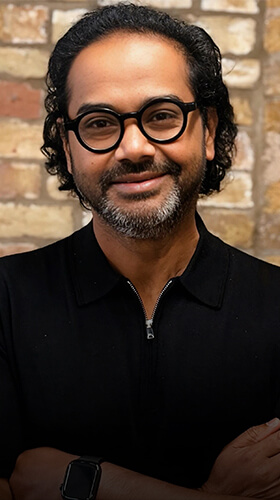
 Serial Entrepreneur, Founder of Blippar and co-Founder of Greyparrot







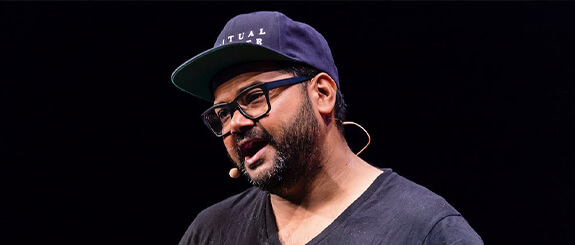













Ambarish Mitra, co-founder of Greyparrot can reveals how AI is transforming the waste management industry. By analyzing over 40 billion waste objects in a single year, Greyparrot's technology has created one of the world's largest datasets on packaging recyclability at the brand SKU level. In this presentation, Ambarish discusses: - How AI is increasing recycling rates: Data driven automation is streamlining sorting processes, reducing labour costs, and improving profit margins.
- Share key findings on recyclable vs. non-recyclable materials and the packaging types most frequently lost to landfills and incinerators. - Real-world examples of how a leading consumer goods company is using Greyparrot's data to: - Design more sustainable products - Prepare for extended producer responsibility (EPR) regulations - Minimize environmental impact.
Embracing Digital Materials Discovery
Ambarish can introduce the concept of waste intelligence and share his expertise and comment on the evolving landscape of packaging and waste management.
Greyparrot, the company he co-founded, will have analyzed over 40 billion waste items at global recycling plants. It’s AI-driven data insights provide critical information to stakeholders across the waste value chain, including brands, waste managers, and policymakers. These insights are driving change by enabling stakeholders to redesign packaging, improve recycling processes, and inform regulatory decisions.
Waste Intelligence: Transforming Waste with AI
Drawing on his work as co-founder of Greyparrot, Ambarish shows how artificial intelligence is reshaping the waste and recycling industry. He explains how computer vision and machine learning read waste streams in real time, turning material that was once invisible into measurable, recoverable value. Audiences learn how waste intelligence raises recycling rates, cuts sorting costs, and gives brands and policymakers the data they need to build a genuinely circular economy.
The Augmented Human: Food Genetics, AI and the Mind
Ambarish explores what happens when artificial intelligence, augmented reality, and advances in food genetics begin to extend human capability. He looks at how these fields are converging to reshape health, nutrition, and cognition, and what that means for individuals and organisations. The talk balances technological possibility with practical and ethical questions, helping audiences think clearly about a future where the line between human and machine keeps moving.
Entrepreneurship: Building a Company in a Nascent or Emerging Industry
Having co-founded Blippar when augmented reality was barely understood, and Greyparrot at the frontier of waste intelligence, Ambarish shares what it takes to build a company in a market that does not yet exist. He covers spotting an inflection point before it becomes obvious, raising capital for an unproven category, and scaling through uncertainty. Audiences leave with a candid, practical view of early-stage entrepreneurship from a founder who has done it more than once.
How Augmented Reality Will Change the Landscape for Retail, Marketing, Education and Enterprise
As a co-founder of Blippar, Ambarish has spent more than a decade at the front line of augmented reality. Here he maps how AR is moving from novelty to infrastructure across retail, marketing, education, and enterprise. Using real campaigns and deployments, he shows where AR creates measurable value today and helps leaders separate durable opportunity from short-lived hype.
The $90 Billion Industry: How AR Will Impact Brands and Agencies
Ambarish breaks down the commercial reality behind augmented reality's growth into a multi-billion-dollar industry. He explains how brands and agencies can use AR to deepen engagement, shorten the path to purchase, and build experiences consumers return to. Grounded in his experience scaling Blippar with global brands, the talk gives marketing leaders a clear framework for where to invest and what to expect in return.
Is the Augmented Reality Hype Already Over? What's Next for AR
Every emerging technology moves through a cycle of excitement and disappointment, and AR is no exception. Ambarish offers an honest assessment of where augmented reality really stands, why early expectations outran the technology, and what is quietly maturing beneath the noise. Audiences gain a grounded view of AR's next chapter and how to position for it without chasing hype.
How AI Can Support Humanity to Build a Better World by 2050
Looking ahead to 2050, Ambarish makes the case for artificial intelligence as a tool for solving humanity's hardest problems, from waste and resource scarcity to sustainability and access. Drawing on Greyparrot's work turning waste into intelligence, he shows how technology, pointed at the right problems, can serve people and planet together. The talk is optimistic but practical, leaving audiences with a clear sense of the choices that will shape the next quarter-century.