PRESENTERS INFLUENCERS ABOUT US REFERENCES BLOG CONTACT
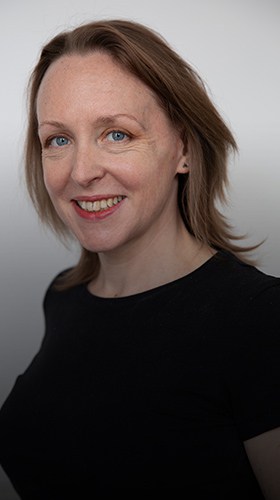
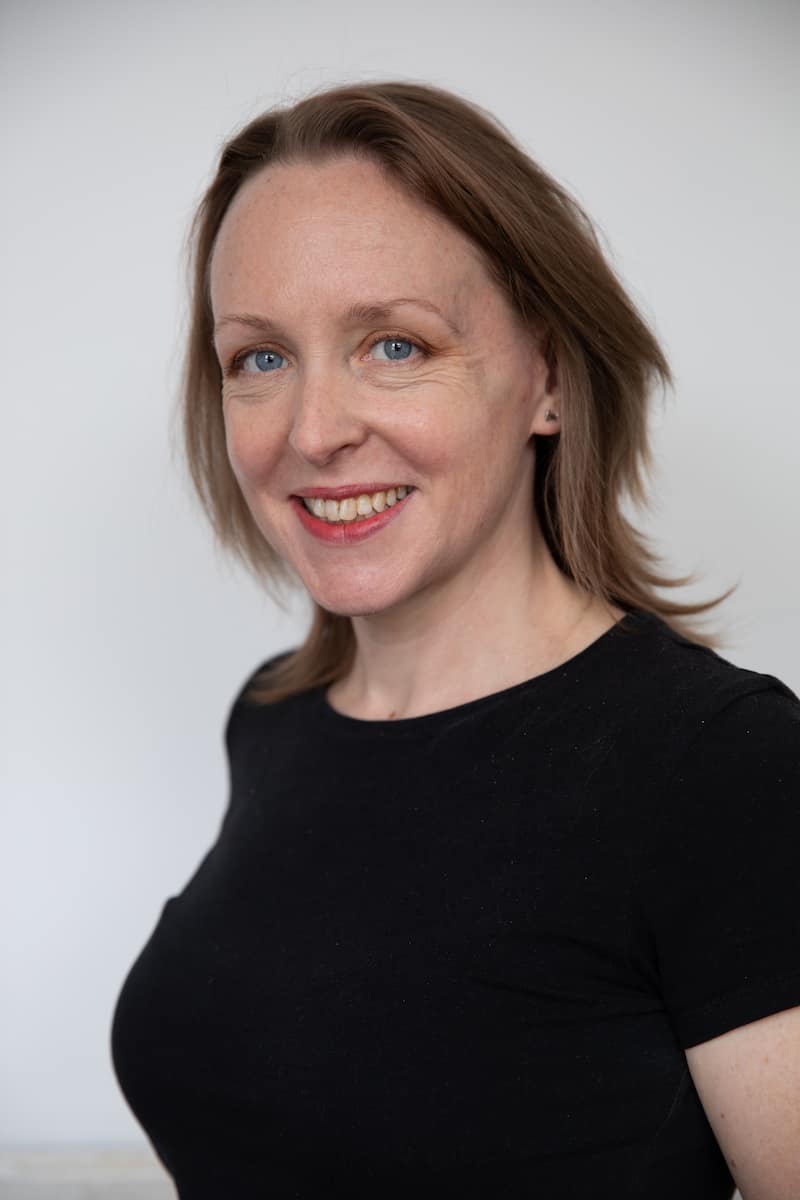
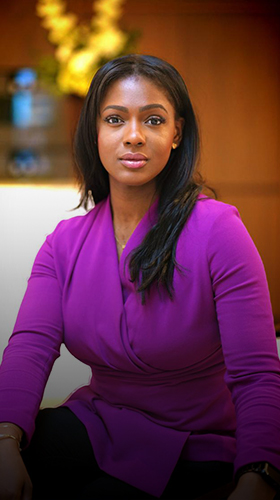
Rachel Morgan-Trimmer - Neurodiversity Consultant, Keynote Speaker

Rachel Morgan-Trimmer

Rachel Morgan-Trimmer Neurodiversity Consultant

Rachel Morgan-Trimmer - Neurodiversity Consultant, Keynote Speaker
Rachel Morgan-Trimmer's Biography

Rachel Morgan-Trimmer is a neurodiversity consultant and award-winning TEDx speaker who brings authentic lived experience as an autistic and ADHD individual to corporate audiences seeking to build genuinely inclusive workplaces. As the author of "How to Be Autistic" and "How to Treat Autistic People"—essential resources for organisations navigating neurodivergent inclusion—Rachel combines humour, storytelling, and actionable frameworks that transform workplace culture and organisational practices around neurodiversity. About Rachel Morgan-Trimmer Rachel's professional credibility stems from her personal lived experience combined with rigorous professional expertise. She navigated adulthood without an autism or ADHD diagnosis, a reality that profoundly shaped her perspective on neurodivergent inclusion and the hidden challenges neurodivergent professionals face in neurotypical workplaces. Her subsequent diagnoses in adulthood positioned her uniquely to advocate for workplace change grounded in authentic lived experience. Her published work spans two acclaimed books and contributions to peer-reviewed academic journals, establishing her as both an accessible thought leader and a rigorous researcher. "How to Be Autistic" and "How to Treat Autistic People" have become essential resources for individuals, families, and organisations seeking to understand neurodiversity authentically. Her academic contributions in peer-reviewed journals validate her expertise beyond popular writing into research and evidence-based discourse. Her TEDx presentation demonstrates her ability to communicate complex neurodiversity concepts with clarity, humour, and inspirational messaging to diverse audiences. Her speaking style is warm, relatable, and humanising—she normalises neurodivergent experience whilst providing frameworks organisations can implement. Her media features in national press outlets and professional publications amplify her reach and establish her credibility as a thought leader. Rachel has been featured in numerous national publications and media outlets discussing neurodiversity in the workplace, mental health inclusion, and the neurodivergent lived experience. Her willingness to share her personal journey whilst maintaining professional credibility makes her an exceptionally effective speaker for organisational audiences seeking authentic neurodiversity expertise. Key Achievements & Awards Published author of "How to Be Autistic" and "How to Treat Autistic People" TEDx speaker on neurodiversity and workplace inclusion Peer-reviewed academic journal contributor on neurodiversity and inclusion Featured in national press and media on autism, ADHD, and workplace inclusion Award-winning neurodiversity consultant working with major organisations Subject matter expert for neurodiversity awareness and inclusion initiatives Consultant supporting organisations building neurodivergent-inclusive cultures Keynote Speaking Topics Understanding Neurodiversity: From Diagnosis to Thriving Neurodiversity encompasses autism, ADHD, dyslexia, and other neurological differences that affect how individuals process information, communicate, and interact. Rachel's framework moves beyond deficit-based disability models to position neurodiversity as a natural variation in human neurological development, exploring the strengths neurodivergent professionals bring to organisations and the barriers they face in neurotypical workplace cultures. Creating Inclusive Workplaces for Neurodiverse Employees Creating genuinely inclusive workplaces for neurodivergent employees requires examining recruitment practices, communication norms, sensory environments, meeting structures, and management approaches. Rachel explores practical interventions including structured communication, sensory consideration, task clarity, flexibility in work arrangements, and psychological safety—changes that benefit all employees whilst specifically supporting neurodivergent professionals. Autism in the Workplace: Supporting Autistic Professionals Autistic professionals bring distinctive strengths including attention to detail, pattern recognition, integrity, and focused expertise. Rachel addresses how organisations can recognise and leverage these strengths, identify where autistic professionals struggle (sensory overload, social communication demands, unwritten rules), and implement targeted support enabling autistic professionals to thrive. ADHD in the Workplace: Building Systems That Support ADHD Professionals ADHD professionals often bring energy, creativity, hyperfocus capability, and fresh perspectives. Rachel explores how organisations can design systems—task structuring, deadline clarity, accountability frameworks, environment design—that reduce ADHD-related challenges (distraction, executive function demands, time management) whilst fostering the creativity and energy ADHD professionals contribute. Building Neurodiversity-Inclusive Organisational Cultures Genuine neurodiversity inclusion requires cultural shift beyond surface-level awareness training. Rachel addresses how organisations can embed neurodiversity into recruitment, onboarding, management practices, meeting design, performance evaluation, and career development—creating cultures where neurodivergent professionals belong and thrive. The Power of Authentic Lived Experience in Workplace Inclusion Authenticity and lived experience credibility are powerful forces in driving organisational change. Rachel shares her personal journey—growing up undiagnosed, navigating adulthood without understanding her neurodivergent wiring, and subsequently discovering diagnosis and advocacy—to illustrate the hidden challenges neurodivergent professionals face and why genuine inclusion matters. Intersectionality and Neurodiversity in Organisations Neurodiversity intersects with other aspects of identity including gender, race, sexual orientation, and disability status. Rachel explores how organisations can support neurodivergent employees whose neurodiversity intersects with other marginalised identities, addressing compounded inclusion challenges and building intersectional neurodiversity practices. Looking for a neurodiversity or workplace inclusion speaker? Rachel Morgan-Trimmer is available for keynote speeches, awareness programmes, and inclusion strategy workshops. Contact Speaker Agency UK to check availability and discuss your organisation's neurodiversity inclusion objectives.

Megaphone
Rachel Morgan-Trimmer Speaker Solutions

speaker
Rachel Morgan-Trimmer Keynote Topics

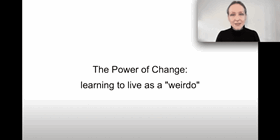
The Power of Change: Learning to Live as a Weirdo


What is Neurodiversity and Why Should You Care About it?


How to Be Inclusive to Neurodiverse People

Rachel Morgan-Trimmer
Rachel Morgan-Trimmer's Biography

Rachel Morgan-Trimmer is a neurodiversity consultant and award-winning TEDx speaker who brings authentic lived experience as an autistic and ADHD individual to corporate audiences seeking to build genuinely inclusive workplaces. As the author of "How to Be Autistic" and "How to Treat Autistic People"—essential resources for organisations navigating neurodivergent inclusion—Rachel combines humour, storytelling, and actionable frameworks that transform workplace culture and organisational practices around neurodiversity.

About Rachel Morgan-Trimmer

Rachel's professional credibility stems from her personal lived experience combined with rigorous professional expertise. She navigated adulthood without an autism or ADHD diagnosis, a reality that profoundly shaped her perspective on neurodivergent inclusion and the hidden challenges neurodivergent professionals face in neurotypical workplaces. Her subsequent diagnoses in adulthood positioned her uniquely to advocate for workplace change grounded in authentic lived experience.

Her published work spans two acclaimed books and contributions to peer-reviewed academic journals, establishing her as both an accessible thought leader and a rigorous researcher. "How to Be Autistic" and "How to Treat Autistic People" have become essential resources for individuals, families, and organisations seeking to understand neurodiversity authentically. Her academic contributions in peer-reviewed journals validate her expertise beyond popular writing into research and evidence-based discourse.

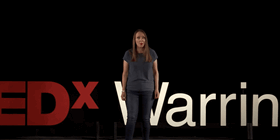
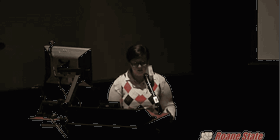
Her TEDx presentation demonstrates her ability to communicate complex neurodiversity concepts with clarity, humour, and inspirational messaging to diverse audiences. Her speaking style is warm, relatable, and humanising—she normalises neurodivergent experience whilst providing frameworks organisations can implement. Her media features in national press outlets and professional publications amplify her reach and establish her credibility as a thought leader.

Rachel has been featured in numerous national publications and media outlets discussing neurodiversity in the workplace, mental health inclusion, and the neurodivergent lived experience. Her willingness to share her personal journey whilst maintaining professional credibility makes her an exceptionally effective speaker for organisational audiences seeking authentic neurodiversity expertise.

Key Achievements & Awards

  • Published author of "How to Be Autistic" and "How to Treat Autistic People"
  • TEDx speaker on neurodiversity and workplace inclusion
  • Peer-reviewed academic journal contributor on neurodiversity and inclusion
  • Featured in national press and media on autism, ADHD, and workplace inclusion
  • Award-winning neurodiversity consultant working with major organisations
  • Subject matter expert for neurodiversity awareness and inclusion initiatives
  • Consultant supporting organisations building neurodivergent-inclusive cultures

Keynote Speaking Topics

Understanding Neurodiversity: From Diagnosis to Thriving

Neurodiversity encompasses autism, ADHD, dyslexia, and other neurological differences that affect how individuals process information, communicate, and interact. Rachel's framework moves beyond deficit-based disability models to position neurodiversity as a natural variation in human neurological development, exploring the strengths neurodivergent professionals bring to organisations and the barriers they face in neurotypical workplace cultures.

Creating Inclusive Workplaces for Neurodiverse Employees

Creating genuinely inclusive workplaces for neurodivergent employees requires examining recruitment practices, communication norms, sensory environments, meeting structures, and management approaches. Rachel explores practical interventions including structured communication, sensory consideration, task clarity, flexibility in work arrangements, and psychological safety—changes that benefit all employees whilst specifically supporting neurodivergent professionals.

Autism in the Workplace: Supporting Autistic Professionals

Autistic professionals bring distinctive strengths including attention to detail, pattern recognition, integrity, and focused expertise. Rachel addresses how organisations can recognise and leverage these strengths, identify where autistic professionals struggle (sensory overload, social communication demands, unwritten rules), and implement targeted support enabling autistic professionals to thrive.

ADHD in the Workplace: Building Systems That Support ADHD Professionals

ADHD professionals often bring energy, creativity, hyperfocus capability, and fresh perspectives. Rachel explores how organisations can design systems—task structuring, deadline clarity, accountability frameworks, environment design—that reduce ADHD-related challenges (distraction, executive function demands, time management) whilst fostering the creativity and energy ADHD professionals contribute.

Building Neurodiversity-Inclusive Organisational Cultures

Genuine neurodiversity inclusion requires cultural shift beyond surface-level awareness training. Rachel addresses how organisations can embed neurodiversity into recruitment, onboarding, management practices, meeting design, performance evaluation, and career development—creating cultures where neurodivergent professionals belong and thrive.

The Power of Authentic Lived Experience in Workplace Inclusion

Authenticity and lived experience credibility are powerful forces in driving organisational change. Rachel shares her personal journey—growing up undiagnosed, navigating adulthood without understanding her neurodivergent wiring, and subsequently discovering diagnosis and advocacy—to illustrate the hidden challenges neurodivergent professionals face and why genuine inclusion matters.

Intersectionality and Neurodiversity in Organisations

Neurodiversity intersects with other aspects of identity including gender, race, sexual orientation, and disability status. Rachel explores how organisations can support neurodivergent employees whose neurodiversity intersects with other marginalised identities, addressing compounded inclusion challenges and building intersectional neurodiversity practices.

Looking for a neurodiversity or workplace inclusion speaker? Rachel Morgan-Trimmer is available for keynote speeches, awareness programmes, and inclusion strategy workshops. Contact Speaker Agency UK to check availability and discuss your organisation's neurodiversity inclusion objectives.

Rachel Morgan-Trimmer is ready to inspire your teams!
To invite this speaker:

microphone background

Frequently Asked Questions About
Rachel Morgan-Trimmer

Rachel specialises in neurodiversity, autism in the workplace, ADHD inclusion, workplace mental health, and building inclusive cultures. Her presentations combine lived experience authenticity with evidence-based frameworks and practical organisational solutions.

Contact Speaker Agency UK with your event details, audience composition, and desired focus area. Rachel is available for keynote speeches, employee awareness programmes, leadership workshops, and organisational inclusion initiatives. Speaking fees vary based on event scope and location.

Rachel delivers keynotes at corporate diversity and inclusion conferences, employee wellness programmes, neurodiversity awareness events, educational institutions, healthcare organisations, and sector-specific conferences seeking to improve neurodiversity workplace inclusion.

Yes, Rachel is autistic and ADHD. She brings authentic lived experience to her speaking and consulting work. Her personal journey of navigating adulthood without diagnosis and subsequently discovering her neurodivergent identity informs her advocacy and professional expertise.

Speaking fees vary depending on event size, duration, location, and preparation requirements. Contact Speaker Agency UK for a personalised quotation based on your specific event needs and audience composition.

Rachel is based in the UK and available for speaking engagements across the UK, Europe, and internationally.

Rachel is the author of "How to Be Autistic" and "How to Treat Autistic People"—both essential resources for understanding neurodiversity authentically and creating inclusive environments for autistic individuals.

You May Also Like

Prev
Next
Hayley Barnard  - Inclusion Thought Leader | Keynote Speaker | Diversity Consultant, Keynote Speaker
Hayley Barnard Inclusion Thought Leader | Keynote Speaker | Diversity Consultant
  • Future Proofing Leadership Skills
  • Practical Inclusive Leadership
  • Biased, Who? Me?
Hannah Awonuga - Founder & CEO, The Inclusive Foundations Programme | 2025 Top  10 Inclusion Expert | Cultural Transformation & Inclusion Consultant, Keynote Speaker New
Hannah Awonuga Founder & CEO, The Inclusive Foundations Programme | 2025 Top 10 Inclusion Expert | Cultural Transformation & Inclusion Consultant
  • Allyship and Inclusive Leadership
  • Diversity, Equity & Inclusion (DEI) Strategy (most requested topic)
  • Culture: How Inclusion Drives Organisational Culture
Owen O’Kane - Bestselling Author, Psychotherapist, Former NHS Clinical Lead, Keynote Speaker
Owen O’Kane Bestselling Author, Psychotherapist, Former NHS Clinical Lead
  • Managing Uncertainty
  • Coping With Change
  • Bouncing Back
modal image