PRESENTERS INFLUENCERS ABOUT US REFERENCES BLOG CONTACT
Mindfulness Speakers

Mindfulness Speakers

Speaker Agency Mindfulness Speakers come from a variety of backgrounds that include, the corporate world, psychology, monastery and mentoring.

Moran Cerf - Neuroscientist, Business Professor at the Kellogg School of Management, Keynote Speaker
Moran Cerf Neuroscientist, Business Professor at the Kellogg School of Management
Niall Breslin - Mental Health Advocate and Host of Award-Winning Podcasts 'Wake Up/Wind Down' and 'Where is my Mind', Keynote Speaker
Niall Breslin Mental Health Advocate and Host of Award-Winning Podcasts "Wake Up/Wind Down" and "Where is my Mind"
  • How to Find Peace in the Chaos of the Modern World
  • Music and Mindfulness
  • The Neuroscience of Mindfulness
Owen O’Kane - Bestselling Author, Psychotherapist, Former NHS Clinical Lead, Keynote Speaker
Owen O’Kane Bestselling Author, Psychotherapist, Former NHS Clinical Lead
Pandit Dasa - Mindful Leadership Expert, Keynote Speaker
Pandit Dasa Mindful Leadership Expert
  • The Future of Work and Mindful Leadership
  • Mindfulness and Resilience: Tools to Thrive During Stressful Times
  • Creating a Mindful and Positive Workplace Culture
Pinar Seyhan Demirdag - Founding Partner at Seyhan Lee | Generative A.I. Expert | Creative and Visionary, Keynote Speaker
Pinar Seyhan Demirdag Founding Partner at Seyhan Lee | Generative A.I. Expert | Creative and Visionary
Ben Garrod - Broadcaster, evolutionary biologist, and author, Keynote Speaker
Professor Ben Garrod Broadcaster, evolutionary biologist, and author
  • How much of our mental health is evolutionary, and how much is affected by digital distractions – including social media?
  • What can our animal relatives teach us about stress, anxiety, and mental wellbeing?
  • What can a rampaging silverback teach us about the importance of ‘office away days’.
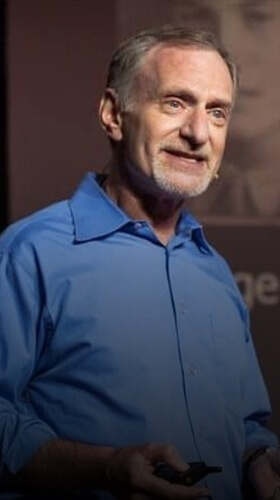
Robert Waldinger - Life Balance and Happiness Keynote Speaker, Psychiatrist, Psychoanalyst, and Director of the Harvard Study of Adult Development, Keynote Speaker
Robert Waldinger Life Balance and Happiness Keynote Speaker, Psychiatrist, Psychoanalyst, and Director of the Harvard Study of Adult Development
  • What Makes a Good Life? Lessons From The Longest Study On Happiness
  • Dealing With Change — Life Transitions and Preparing For The Inevitable
  • Why Relationships In The Workplace Matter More Than You Think — and How To Embrace Them
Scarlett Roberts - Exercise Physiologist | Prescriptive Exercise | Movement for Mental Health | Ex Prisoner | Author, Keynote Speaker
Scarlett Roberts Exercise Physiologist | Prescriptive Exercise | Movement for Mental Health | Ex Prisoner | Author
Stuart Sandeman - Breathwork Expert & Peak Performance Coach, Keynote Speaker
Stuart Sandeman Breathwork Expert & Peak Performance Coach
  • ‘Breath Means Business’ – Corporate Workshop
  • Finding Peace in Productivity
  • Breathing to Overcome Stress and Anxiety

Frequently Asked Questions About
Mindfulness Speakers

Mindfulness speakers in the UK start from £3,000 for emerging or regional practitioners, though that floor is rarely where the conversation ends. Speakers with clinical backgrounds, academic credibility or media profiles typically sit between £10,000 and £25,000. Internationally recognised keynote names can reach £50,000 or beyond. Budget shapes the shortlist — not the other way around. For a detailed breakdown of what drives fees at each level, the how much a keynote speaker costs in the UK guide covers the full picture.


For speakers with clinical qualifications, bestselling books or strong media profiles, 3 to 6 months is the standard lead time. Bookings inside 6 weeks are still possible through the extended global network, though the available shortlist narrows. Mental Health Awareness Week in May and World Mental Health Day on 10 October are peak commissioning dates — if your event falls around either, book earlier than you think you need to.

A keynote — typically 45 to 60 minutes — delivers evidence-based frameworks and narrative to a large audience. A workshop runs 2 to 4 hours and involves active practice, group exercises and applied tool-building. The two serve different outcomes and are not interchangeable. Some speakers are built for one format and less effective in the other, so confirming format suitability at the briefing stage is essential, not optional.

Yes. The most effective speakers adapt vocabulary, case studies and stress-regulation examples to the professional context of the audience — financial services, healthcare and technology each carry distinct pressure profiles that a generic script does not address. A pre-event briefing call, typically held 2 to 3 weeks before the session, is standard practice to align content with the organisational moment and any sensitivities in the room.

Most speakers on the 300+ UK roster and the broader 1,190+ global network deliver virtual and hybrid formats. Remote sessions require a confirmed AV setup, a pre-event platform rehearsal, and — for interactive content — appropriate breakout room configuration. These logistics are worked through during the briefing process, not resolved on the day, so flag your format early when submitting your enquiry.

Standard scope covers keynote or session delivery, a pre-event briefing call, and speaker materials where applicable. Optional additions include Q&A facilitation, breakout workshop sessions, post-event follow-up resources and multi-session programme design for organisations wanting sustained impact beyond a single event. Full scope is confirmed and locked at contract stage — there are no standard inclusions that disappear in the small print.

A mindfulness speaker delivers evidence-based content on attention regulation, stress reduction and cognitive performance — designed for corporate keynote, leadership offsite and conference formats where the audience is sceptical and time is limited. A meditation teacher leads extended guided practice sessions, which suit retreat or wellness event formats rather than a 45-minute slot at an all-hands. If your brief centres on guided practice rather than a talk on evidence and application, raise that distinction at the briefing call so the speaker profile and format match your actual brief.

Filters

Topics