


 After Dinner Speakers
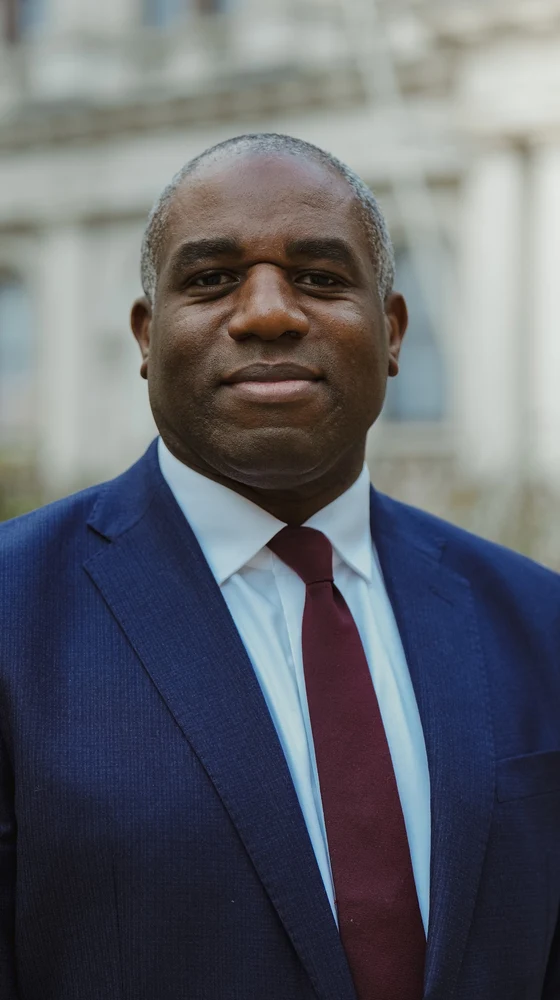
 Former Deputy Prime Minister, Foreign Secretary & Lord Chancellor | MP for Tottenham



















The relationship between the United States, the United Kingdom and Europe finds itself in a new and less predictable era. Trade tensions, renewed protectionism, conflict in Ukraine and the Middle East, and intensifying strategic competition with China have exposed the fragility of the assumptions that underpinned the post-Cold War order.
As UK Foreign Secretary and Deputy Prime Minister, David worked at the heart of Britain’s engagement with Washington, helped reset relations with Europe, maintained international support for Ukraine, and led the UN snapback of sanctions on Iran’s nuclear programme alongside France and Germany. He offers a rare insider’s account of the decisions shaping the transatlantic alliance, the future of Western security and the implications for leaders navigating an increasingly fragmented global economy.
The State of Political Discourse: Democracy, division and the erosion of public trust
Across Britain, the United States and democracies worldwide, public debate is more polarised than ever, confidence in institutions is declining and the space for serious disagreement is under strain. Few statesmen have confronted this shift as directly as David.
Drawing on his experience at the highest levels of government, David examines the forces reshaping political discourse: identity, inequality, the speed and reach of digital media, economic insecurity and a growing sense that established institutions no longer listen. He also considers what leaders must do to restore confidence in democratic life, make the case for common purpose and rebuild relationships and institutions capable of holding disagreement without deepening distrust.
Progressive Realism: Cooperating, competing and challenging in a fragmented world
Progressive realism is the doctrine David set out before taking office and then applied in government: cooperate where interests align, challenge where they diverge, and compete when necessary. This session shows what that looks like in practice.
He takes audiences inside the UK’s China Audit, the cross-government reassessment of Britain’s relationship with Beijing whose findings he presented to Parliament, and explains how governments now weigh security against trade, technology and human rights in the same decision. He also covers the 100 Year Partnership with Ukraine and the E3 snapback on Iran as worked examples of alliance-building under pressure. Written for boards and executive teams that need to build geopolitical exposure into their own planning rather than react to it.
Justice, Fairness and Public Trust: Reforming institutions under strain
David came to the justice system twice: first with the 2017 Lammy Review into racial bias in the criminal justice system, then as Lord Chancellor and Secretary of State for Justice in a department under acute pressure.
He draws on both to examine how an institution loses public confidence and what it takes to earn it back: measuring outcomes rather than intentions, being straight about capacity, and putting the people the institution serves at the centre of reform. Relevant to any leader running a service where trust has slipped and delivery is being questioned in public.