

 After Dinner Speakers
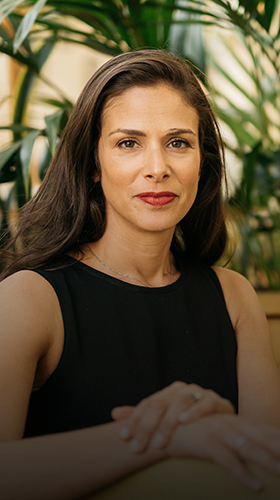
 Author & Trust Expert

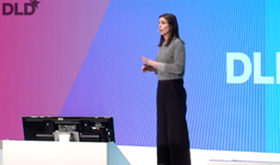












When the world feels complex and fast-moving, trust becomes a powerful source of clarity and confidence. It gives people the courage to take smart risks, collaborate across teams, and lean into change instead of resisting it. Yet despite how often we use the word, trust is still clouded by myths. In this keynote, Rachel deconstructs those misconceptions and invites audiences to rethink trust as something they can actively shape.
With her ‘Risk–Trust Lens’ framework, she shows why the balance between risk and trust is the hallmark of adaptive leadership and shares practical tools leaders can use to build cultures where people feel safe, supported, and ready to step into the unknown.
Participants will learn:
• Why trust is the foundation of resilience in uncertain times.
• How to use the ‘Risk–Trust Lens’ to make smarter decisions under
pressure.
• The four traits every leader must consistently demonstrate to earn trust.
• Why cultures built on trust consistently outperform those built on control.
Trust by Design: What Makes Innovation Stick
Why do some innovations fail while others succeed? The difference is rarely the technology; it’s whether people trust it enough to make the leap. Every breakthrough depends on what Rachel calls a Trust Leap: the decision to embrace a new way of working, creating, or connecting. Yet too often, innovators obsess over features and functions and overlook the trust conditions that truly determine adoption.
Drawing on 15 years of work with Fortune 500 companies and start-ups, Rachel shares her ‘TrustLeap’ framework, showing why designing for trust is as essential as designing for usability or beauty. Through stories that span from historical inventions to today’s disruptive start-ups, she reveals how trust is the hidden design layer that allows ideas to take root and grow.
Participants will learn:
• Why trust is the bridge that makes people willing to take risks on new
ideas.
• The design principles that encourage people to make a ‘Trust Leap.’
• How to identify and close the trust gaps that quietly block adoption.
Rethinking the New Rules of Trust & AI
AI is rapidly reshaping how we make decisions, create, work, and even trust one another. But here’s the challenge: most of the questions about trust and AI are framed incorrectly. The real issue is not whether people should trust AI, but how we design AI systems to be genuinely trustworthy. Rachel uses her ‘Trust Shift’ framework to show how every major leap in history has required new forms of trust, and why AI marks a fundamentally different moment that forces us to rethink the rules altogether.
Participants will learn:
• Why the real question is not “should we trust AI?” but “when is it trustworthy?”
• The challenges and possibilities of shifting trust from people to intelligent systems
• How the AI Trust Matrix reveals where different systems stand on trustworthiness
• The four dimensions that determine whether an AI system earns or loses confidence.